
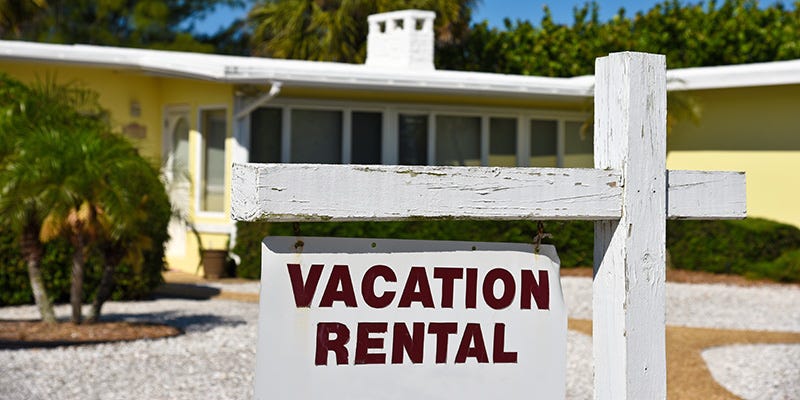
Thinking about starting a hosted Airbnb on Big Island ag land? Here’s what’s legal (and what’s not) in 2025—especially after a major Hawaiʻi Supreme Court ruling that changed everything. (note: A more recent Big Island Vacation Rental bill has passed, see the details here.)
What is a Hosted Vacation Rental?
A hosted vacation rental means you live on the property and rent out a portion of your home (a bedroom, studio, or ohana unit) for stays under 30 days. If you live there, you’re not considered an STVR (Short-Term Vacation Rental) under Hawaiʻi County Ordinance 2018-114 (Bill 108).
✔️ No STVR permit needed if you live on-site
❌ Unhosted rentals (entire home, owner not present) do require permits
What You Still Need to Do (Even if You're Hosted)
Just because permits aren’t needed doesn’t mean you can skip all the paperwork. Here’s what every hosted rental operator needs:
🔹 Hawaiʻi General Excise Tax (GET) license
🔹 Transient Accommodations Tax (TAT) license
🔹 Notify the County Real Property Tax Office (affects homeowner exemption)
Failing to do this = back taxes, penalties, and stress.
Hosted Rentals on Ag Land: Still Legal?
Here’s where it gets tricky: a huge portion of the Big Island is zoned as County Agricultural, but also designated State Agricultural Land under state land use laws. That’s a big difference.
In September 2024, the Hawaiʻi Supreme Court issued a decisive ruling:
🚫 “A farm dwelling in the agricultural district may not be used as a short-term vacation rental because that use does not accord with the agricultural district’s purpose.”
What does that mean?
- Vacation rentals (even hosted) are not allowed on State Ag land ❌
- Even long-term rentals must qualify as farm dwellings
- A farm dwelling must be:
— Used in connection with active agriculture 🌱
— Generating farm income 💰
So What About Bill 123?
Bill 123, passed in late 2024, was supposed to allow:
✅ Up to 3 ADUs on your property
✅ 1 of those ADUs could be a vacation rental
But here’s the catch:
If your land falls under State Agricultural designation, Bill 123 doesn’t apply. State law overrides County zoning.
So unless your ag land is also designated State Urban, vacation rentals—even in ADUs—are off the table.
👉 More on that here: Bill 123 Is a Bust
Bottom Line for Big Island Hosts
✅ Hosted vacation rentals are still legal in residential zones and some County ag zones
❌ Not allowed on State Agricultural land, which is most of East Hawaiʻi
🚜 Farm dwellings must prove agricultural use and income
If you’re unsure of your land’s status, check the State Land Use Maps or reach out to your local planner.
Final Thoughts
Navigating vacation rental laws in Hawaiʻi can feel like walking a legal tightrope—especially with ag land involved. If you're planning to host on your property, make sure you're checking both County and State rules.
I'm a local Realtor and property manager based in Hilo, and I’ve lived through these changes. If you need help understanding your land use rights or setting up your vacation rental legally, I’m happy to help.
📞 Let’s talk before you host.
👉 Contact Me or check out more resources at cpmregisteredagent.com


